Stop Asking for Warm Intros First (They Come Last)

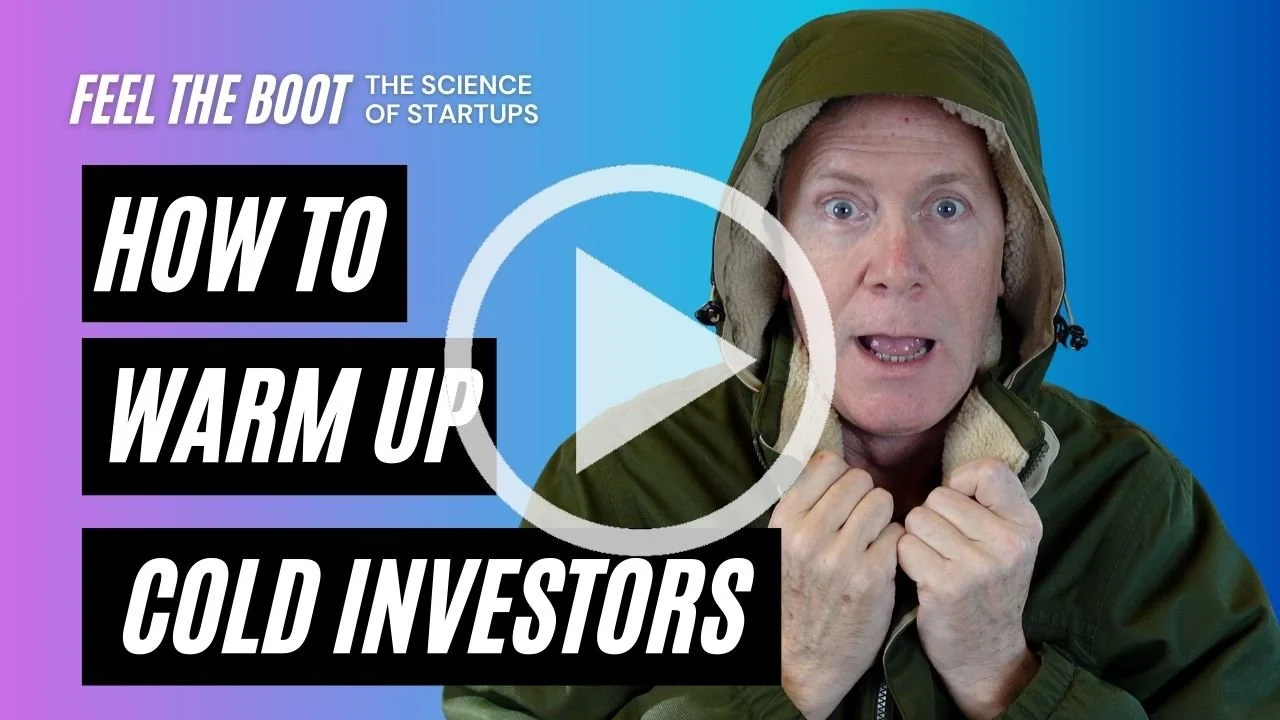
YouTube Video Episode
Warm introductions are the single best way to get investor meetings. You've heard this a thousand times, and it's true. But here's the thing: the way most founders go about getting them can actually hurt their raise.
Most founders treat warm intros as step one. The way you get your foot in the door. You don't know any investors, so you find someone who does and ask them to make an introduction. Logical, right?
Completely backwards.
Warm introductions usually come last in the fundraising process, not first. And once you understand why, you'll stop wasting time on a strategy that's actively working against you.
Why Cold Investor Introductions Backfire
As an active angel investor and president of the North Bay Angels, I see this pattern constantly. A founder reaches out to me cold and pitches their startup. I take a look, it's not for me, and I pass. Then comes the ask: "Can you introduce me to some other investors?"
I almost never do. And it's probably not for the reason you think.
First, I hardly know this company. They just cold-pitched me. I can't make an intelligent introduction that explains why another investor should take a serious look. And I'm definitely not putting my reputation capital behind a company I've spent fifteen minutes evaluating. If I send you to another investor and they determine it's a bad deal, they're going to wonder about my judgment. They'll take me less seriously the next time I reach out with something.
A lukewarm introduction is almost worse than no introduction at all. It implies you couldn't even figure out how to contact the investor on your own and needed someone to hand you their email address. Not exactly the resourcefulness signal you want to be sending.
Why Investors Don't Want Secondhand Deals
Here's the second issue, and it's arguably worse. Investors don't want introductions from people who aren't also investing.
I see this from the other side all the time. When someone passes me a company and says "Hey, you should invest in them" but they themselves passed, my first thought is: "Why is this guy sending me his leftovers? This wasn't good enough for you, but it should be good enough for me?"
That immediately puts your company in a negative light. And that's not where you want to start a relationship with a potential investor.
Now, there is one exception. If someone introduces you from a position where they can't invest (they only do B rounds and you're raising a pre-seed, or they're a SaaS-focused fund and you're building hardware) then they can credibly say "I would invest in this if it were in my wheelhouse, and here's why." But they need to speak from deep knowledge of your company, not just "Hey, I know Joe. You should talk to him."
Who Can Actually Get You Investor Meetings?
The people who can give you effective warm introductions are the ones who know your company deeply. People who understand your business model, your competitive advantages, your unique insights, your go-to-market strategy, and the size of your market. Ideally, people who have already committed money to your round.
And here's the beautiful part: you hardly need to ask them.
Your early investors are highly motivated to see the round fill. They've committed capital, but rarely enough to close the whole thing. So they're going out to everyone they know, making introductions, building momentum. These are the most compelling warm introductions possible: someone who's actively excited, has just written a check, and wants to see the round close.
Why Startup Fundraising Accelerates at the End
This is exactly why rounds tend to accelerate toward the end. It takes forever to get the first few commitments. But once you have them, those early investors start making introductions. They help you find your lead investor, who sets the terms and puts their own reputation behind the deal. Then you see near-exponential growth in commitments until the round closes with a bang.
Here's a useful way to think about it: you'll probably spend 80% of your time and effort getting the first 20% of your investors. That beginning phase is brutal. Lots of rejection, slow progress, constant doubt. But once you break through, the warm intro flywheel kicks in and the rest of the round fills dramatically faster.
The reason people say warm intros work is because they do. Just at the end, not the beginning.
How to Get Your First Investors Through Cold Outreach
So stop spending time at the beginning chasing warm introductions from cold investors. It's not going to work, and it sends bad signals.
Focus instead on what actually gets you those first few investors: cold outreach.
That means perfecting your initial elevator pitch. Your email, your DM, your 100-word message. Really tight, really short, refined over and over until your response rates climb to something workable. You're not going to close 20% of people you cold-contact. More like 1% or less. But you can keep hitting until you get those first couple of commitments, and then the warm intro flywheel starts turning.
The whole thing isn't as frustrating and disappointing as the very beginning. You just need to get through that phase to see the virtuous cycle take over.
Are You Actually Ready to Pitch Investors?
All of this assumes your company is actually investor-ready. That you've done the validation, built the traction, and gotten to a point where you're a rational investment for angels and early-stage VCs. Because if you're not there yet, no amount of outreach is going to pay dividends.
Before you start reaching out, get an investor's perspective on whether you're ready. My Pitch Audit is a 60-minute deep dive where I review your deck and materials, identify exactly what's blocking your raise, and give you a prioritized plan to fix it. You walk away knowing what investors actually see when they look at your pitch.
Ready to start making your cold outreach work? Read The Investor Warm-Up Protocol: How to Turn Cold Investors into Warm Leads for a step-by-step approach to warming up cold contacts before you ask for the meeting.